Anand Karaj in New Zealand: gurdwara, booking, law
Arranging an Anand Karaj at a New Zealand gurdwara: which gurdwaras, who can have one, booking in the busy seasons, the morning timing, the celebrant and licence, and the cost.
By the Rishta team· Published · 6 min read
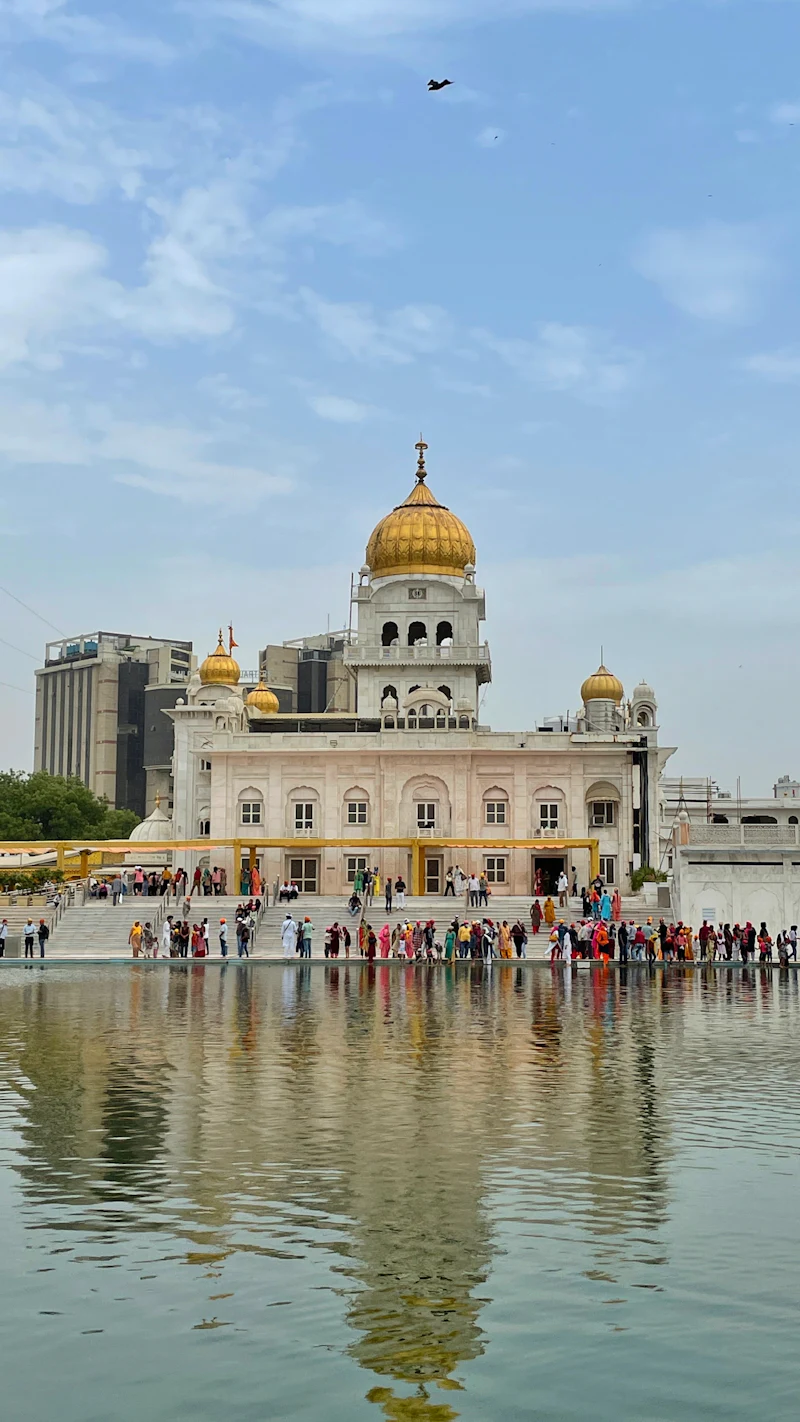
The Anand Karaj is the same ceremony in Takanini as in Amritsar: kirtan, the palla, the four lavaan around the Guru Granth Sahib, Anand Sahib, ardaas, hukam and karah prasad, done in the morning and over in about an hour. What is different in New Zealand is everything around it: which gurdwara, how far ahead to book, and the one legal step that families from Punjab do not expect. This guide is for a family arranging an Anand Karaj here for the first time.
Which gurdwara
New Zealand has gurdwaras in every region, and more than a dozen in Auckland alone. The ones families name first for an Anand Karaj are in South Auckland: Sri Kalgidhar Sahib at Takanini, the three in Papatoetoe (Sri Dasmesh Darbar, Sri Guru Teg Bahadur Ji and Sri Guru Singh Sabha), Sri Guru Nanak Dev Ji at Ōtāhuhu, the oldest in the city, and the Nanaksar gurdwara in Manurewa. The west has Sri Guru Harkrishan Sahib in New Lynn, the east Sri Guru Hargobind Sahib in Dannemora, the North Shore its gurdwara at Hillcrest, and Papakura two of its own.
Outside Auckland: Hamilton has gurdwaras at Te Rapa and Horotiu, the latter run by the New Zealand Sikh Society, whose first gurdwara in 1977 was the first in the country; Tauranga has two; Rotorua, Whangārei, Hastings, Palmerston North and Lower Hutt one each; and Christchurch three, at Riccarton, Woolston and Linwood.
Most families marry at the gurdwara they attend, which settles the question. If the two families attend different ones, the bride’s family’s gurdwara is the tradition, and nobody minds if it is the one with the bigger car park.
Who can have one
Gurdwaras in New Zealand follow the Sikh Rehat Maryada, and, like gurdwaras in Australia, the 2007 directive of the Akal Takht that an Anand Karaj is a ceremony between two Sikhs. Expect the committee to ask both families to confirm it. If one partner is not Sikh, most gurdwaras here will offer an ardaas and blessing rather than the full lavaan, and some will decline altogether. Committees differ, so ask the specific gurdwara, and ask early, before dates are fixed and halls are paid for.
Booking
The busy season runs from Vaisakhi in April through the New Zealand summer, December to February, when families from Punjab and Australia can travel and the weather holds. Takanini and Papatoetoe take Anand Karaj bookings months ahead for those weeks. Book the gurdwara before the hall, before the flights, and before telling anyone the date.
Almost every gurdwara will want the lavaan finished before midday, so the ceremony starts early, often between eight and ten. Plan the milni and the breakfast langar around that, and the reception for the evening somewhere else: the gurdwara is for the ceremony and langar, not for a function with music or alcohol, and nobody will bend that rule.
What it costs
Gurdwaras in New Zealand do not sell the Anand Karaj. There is normally a donation to the gurdwara, a contribution towards langar for the number of guests, and sometimes a charge for the use of a hall if the gurdwara has one for the milni or breakfast. Ask the committee what is customary; it varies, and it is always less than the hall for the reception. The ragi jatha for kirtan may be the gurdwara’s own or one the family arranges.
The legal step
This is the part that catches families out. In India the Anand Karaj is the marriage. In New Zealand it is a legal marriage only if a marriage licence has been issued beforehand, at least three working days before, and the ceremony is conducted by a registered celebrant, who at a gurdwara is usually the granthi or a committee member approved as an organisational celebrant. Ask whether the gurdwara has one. If it does, the celebrant will have each of you say the legal words, “I take you to be my legal husband” and “wife”, at a natural point after the lavaan, and will send the particulars to the registry afterwards. If it does not, families have a short legal ceremony with a registered celebrant or at the registry the day before or the same day, and the Anand Karaj as always. Our guide to registering a marriage in New Zealand has the fees and the forms.
If one of you is coming from India
The person coming to marry needs a visa before the wedding, and Immigration New Zealand has one designed for an arranged marriage within a tradition, which an Anand Karaj arranged by the families is. It has conditions, including that you have met in person before applying and that the wedding is within three months of arrival. Read the culturally arranged marriage visa before dates are set.
Before any of it
The families have to find each other first. Every Sikh profile on Rishta says whether the person is Amritdhari and how practising they are, and every Sikh man’s whether he keeps kesh and wears a turban, so the question of whether an Anand Karaj is even possible is answered before anyone writes. Sikh matrimony in New Zealand explains the rest.